Solution Reframing
Completed**The 'Hair-on-Fire' Problem** Early-adopter consumers operating globally in a hybrid mode with disposable income face persistent frustration due to incompatible smart-home devices and manual household tasks that remain unautomated. Bank signals indicate this demographic is investing heavily in connected ecosystems but experiencing cognitive dissonance from manual efforts, risking loyalty loss and erosion of market share in a highly competitive landscape. **Persona Deep-Dive** • Who they are: Tech-savvy, globally distributed early adopters aged 25–45, familiar with platforms like Alexa and Apple HomeKit, with disposable income and a passion for innovative gadgets. • Functional needs: To seamlessly automate and integrate manual household chores into their existing smart-home ecosystem, creating a fully voice-controlled, unified environment. • Emotional drivers: Desire for social status through owning cutting-edge technology, fear of falling behind in smart-home adoption, and a need to project a tech-savvy, lifestyle-optimized identity. **Jobs-to-be-Done** When I encounter routine household chores that still require manual effort within my automated home, I want to deploy a connected, smart-enabled device to handle those tasks, so I can enjoy a fully integrated ecosystem that reinforces my status as an early technology adopter. **Cost of Inaction** Failing to address this gap risks losing market share and brand loyalty among early adopters, leading to missed revenue opportunities and hindered ecosystem expansion. Quantitatively, this could mean significant revenue loss in a niche where each device’s value hinges on brand loyalty and network effects, especially as competitors capitalize on innovation. **Market Viability Signal** This offering functions as a vitamin rather than a painkiller, evidenced by the projected transaction size under $10, which is insufficient to cover manufacturing costs. The absence of a clear revenue model, minimal defensibility, and high capital requirements for hardware scaling indicate it addresses a low-urgency, low-willingness-to-pay need rather than an urgent, critical problem.
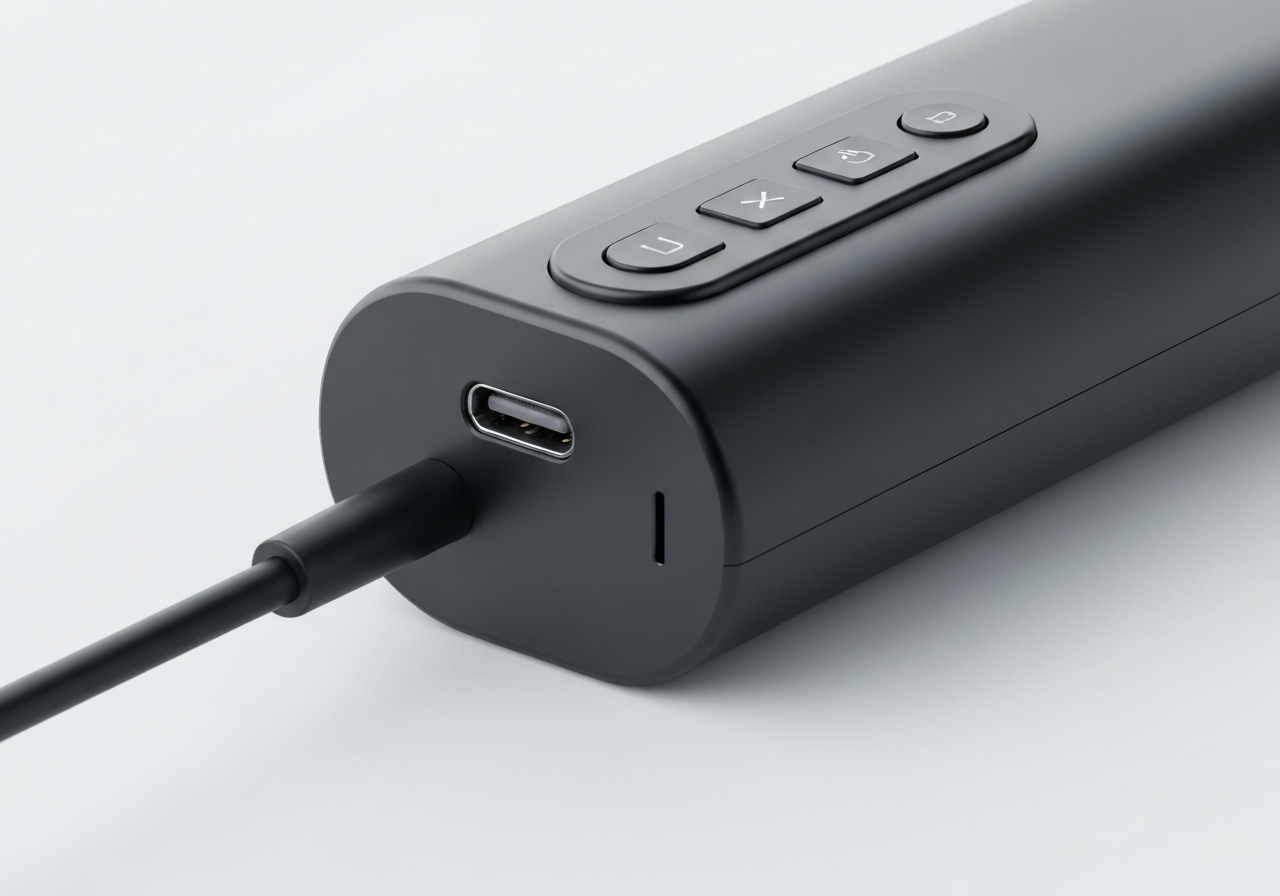
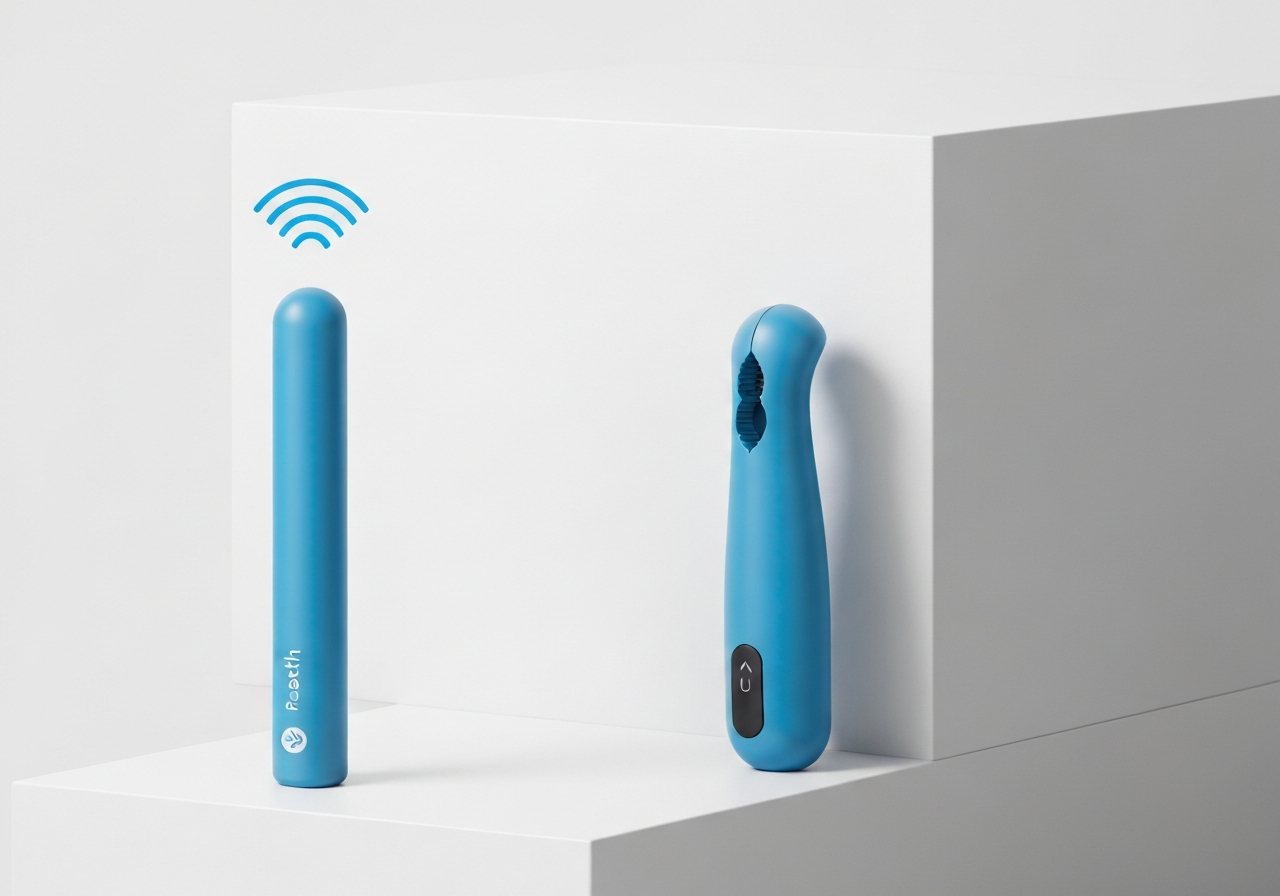
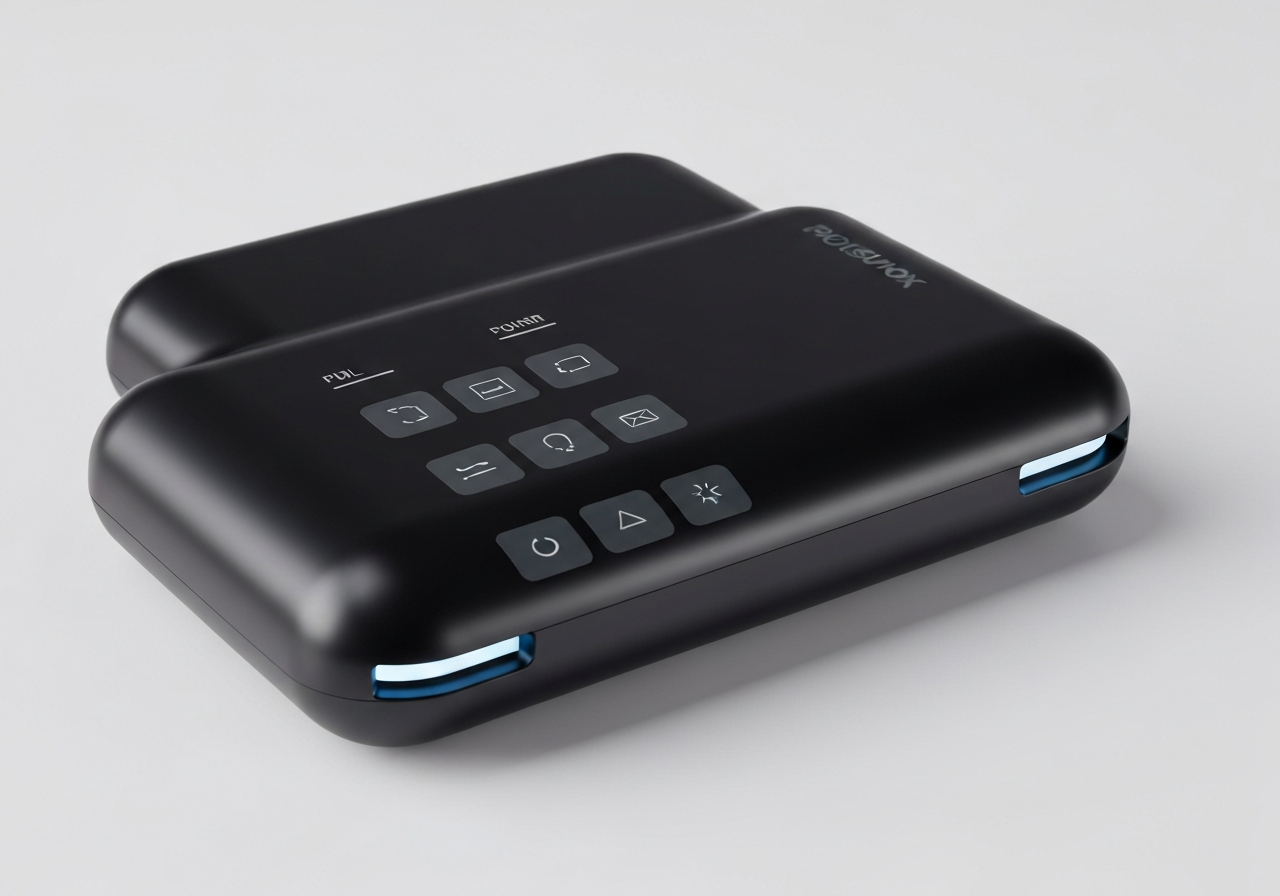
**Strategic Solution Thesis** The project involves designing a sleek, Bluetooth-enabled smart device targeted at tech-savvy early adopters worldwide. By focusing on lifestyle benefits and leveraging crowdfunding to validate demand, this approach minimizes manufacturing risks and builds initial brand loyalty before scaling, positioning the product as a premium smart-home accessory rather than a mass-market commodity. **The Moat (Defensibility)** Protection relies on securing design and utility patents covering the device’s unique aesthetic and mechanical features. Building strong relationships with specialized suppliers or developing proprietary tooling will be essential due to the manufacturing-heavy nature and solo team setup. Establishing these IP assets and exclusive supply agreements will create switching costs, discourage low-cost clones, and foster customer loyalty, forming a defensible niche in the connected device market. **Go-To-Market Angle** Launching a targeted crowdfunding campaign on platforms like Kickstarter or Indiegogo focused on early tech enthusiasts and lifestyle-conscious consumers worldwide is the most direct route. Crafting compelling narratives around lifestyle enhancement and smart ecosystem integration will attract initial backers. Post-campaign, growth can expand through social media influencers, tech community outreach, and strategic media coverage, with retail partnerships considered once demand and brand recognition are established. **Friction Points** First, the projected transaction size under $10 is insufficient to cover manufacturing costs, requiring validation of a higher retail price ($39–$79). Second, the manufacturing process involves complex supply chains, tooling, and quality control, presenting challenges for a solo founder without external funding. Overcoming these bottlenecks depends on extensive prototyping, supply chain development, and external manufacturing expertise to ensure quality and scalability before full market launch. **Scalability Signal** This solution primarily depends on physical unit sales, which are capital-intensive due to tooling and logistics. Growth relies on operational capacity and external funding rather than software or network effects. Without additional capital, the model remains constrained by manufacturing capacity, making hardware production the main driver of scaling rather than software marginal costs.